
Why Is My Calico Losing Hair, Hiding, and Not Using Her Litter Box? (Vet Answered)

This question has been answered by a vet

Small Animal Veterinarian
Dr. Karyn is a small animal veterinarian originally from Australia, now based in the UK. She holds degrees in Veterinary Science (2010) and Zoology. When not helping pets, she tends to her 5 cats and garden!
The Question
My cat has rash all over her body and pulls her hair out doesnt eat unless you bring it to her. Now she will not use liter box. Hides alot. Our other cats dont have this issue
Quick Info about Lillybay
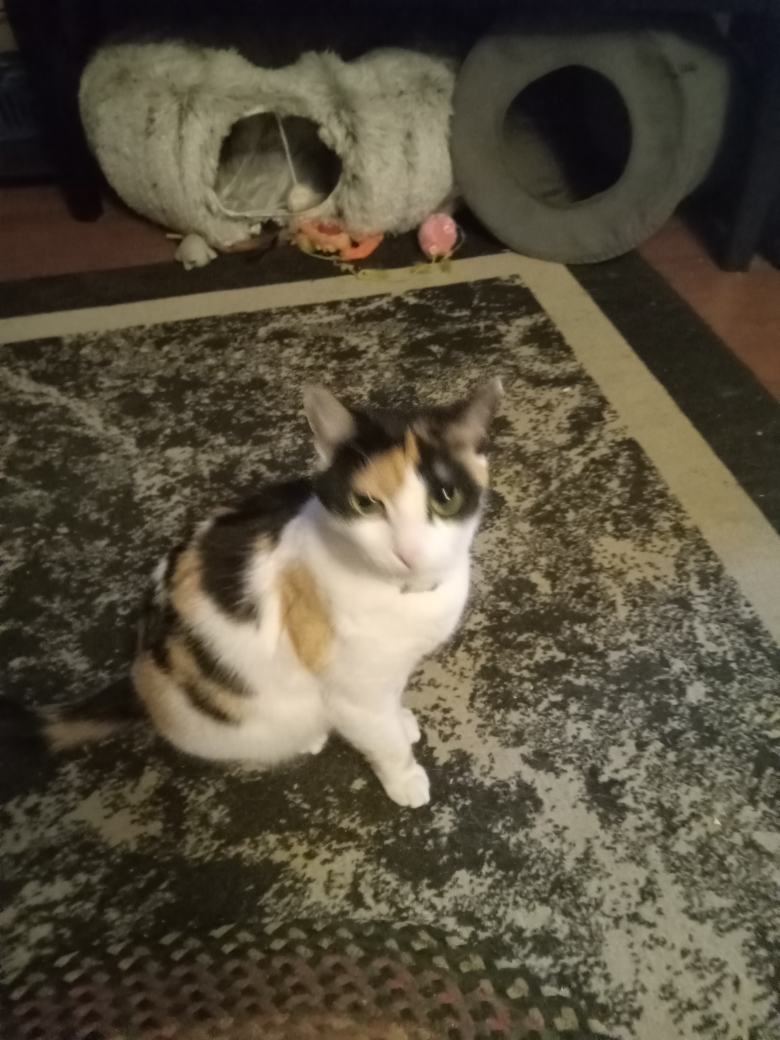
 Lillybay's profile picture
Hi Tammy,
Thanks so much for writing in.
It sounds to me as though there may be a couple of things going on with Lillybay, the poor thing!
You mentioned that you have other cats, and even though it may not seem like it, many cats can find multi-cat households quite stressful. They don't always show it in an obvious way, but hiding and inappropriate toileting are common signs of a cat that is struggling with anxiety, and there are a few changes you can make that can help her feel more secure:
Make sure that there are multiple litter boxes available - ideally one per cat, plus an extra. Have at least one or two open-top litter boxes. Enclosed litter boxes are popular because obviously they keep a lot of the mess and smell inside, and it might seem like cats would appreciate the privacy, but it actually gives the other cats an opportunity to ambush the one in the box as they're coming out. An open-top litter box allows your cat to keep an eye on their surroundings whilst they're 'indisposed', and it takes away any opportunity for any cats to pounce on her when she's finished.
Make sure that there are different spots up high, or little hidey holes where she can just take a break and get away when she needs to.
It might be worth trying some calming diffusers or sprays. There are a lot of different ones out there, so even if you've tried one, it could be worth trying another. Some are specifically designed for multi-cat households, some are based on pheromones, whereas others are based on more calming herbs.
With regard to the skin, overgrooming and fur loss can sometimes be associated with anxiety, though it would be unusual to see a rash if that were the case. I would want to rule out the most common culprits first, and at this time of year, we see a huge increase in fleas, even for indoor cats. Start by combing through her fur with a flea comb, looking for fleas or flea dirt (little black or brown specks in the fur). If you’re not sure if it’s flea dirt, put it on a damp tissue - if they turn rust red, you know it’s flea dirt (digested blood). If fleas are the culprit, I recommend being very proactive. The problem with fleas is that many flea treatments either only kill the adult fleas we can see, or only get rid of part of the flea life cycle, which means that there are still flea eggs and larvae in the environment that will develop into adult fleas, so the most effective way to get rid of them is to use a product that targets ALL parts of the flea life cycle, and use that product for a minimum of 3 months, otherwise, you might think you’ve got rid of them, and then the larval stages can develop and then suddenly you’ve got fleas again!
Some people don’t like using chemical flea treatments, and I know that they can also be quite expensive, but if you spend the money on an effective treatment now, you can start using some more natural remedies to help prevent fleas from returning in the future.
Credelio chewable tablets treat fleas and ticks with a tablet, and Bravecto Topical Solution for Cats is great for getting rid of fleas and ticks with a spot-on formula. Revolution Topical Solution tackles fleas, ear mites, a number of intestinal worms, and heartworm.
If it’s not fleas, you might want to consider doing a food elimination trial, where you use a novel protein diet to see if the allergy symptoms improve. Chicken is one of the most common ingredients in cat food but also one of the most common causes of allergies, so it’s worth making sure this isn’t the culprit. Check out this article for more information:
Environmental allergies can be tougher to deal with, and you may need to look into some management strategies, including air purifiers, extra vacuum cleaning, and antihistamines. You may also want to talk to your vet about allergy testing, but hopefully, it is one of the more easily addressed issues causing Lillybay's skin issues.
I hope this helps,
Dr Karyn