
My Orphaned Kittens Are Suckling Each Other! (Vet Answered)

This question has been answered by a vet
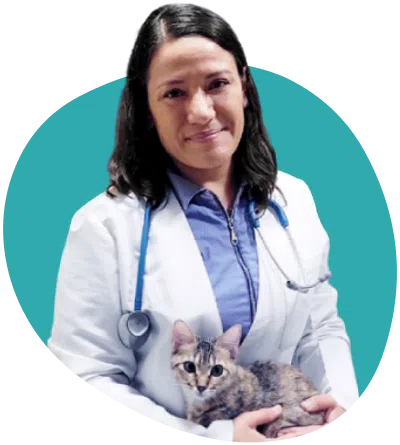
Veterinarian & Animal Behaviorist
With nearly two decades in veterinary medicine, Dr. Paola brings hands-on experience across multiple species. A graduate of the University of Guadalajara, she specializes in preventive care, animal welfare, and positive reinforcement training.
The Question
“Dear Dr Paola,
Our four kittens – one female, three males – lost their mommy just after they turned two months old. They were already raiding her food bowl to munch on her dry kibble. Since mommy passed away from mastitis, they have developed a habit of trying to suckle on one another. I have seen each kitten do this.
We tried to separate them as soon as we see them doing this, but nothing works.
What can we do to help stop this? “
- Rita
Quick Info
Dear Rita,
I am so sorry these babies lost their mama so suddenly. They have essentially decided, “No Mom? Fine, we’ll improvise!”
What you are seeing is called non-nutritive suckling, and in orphaned kittens, it can be surprisingly persistent. It is not necessarily hunger at this age. Suckling is also a built-in comfort behavior, and losing their mother can leave them looking for another way to satisfy that need. Research in orphaned kittens has specifically documented cross-suckling between littermates, with a higher risk in kittens that lost their mother.
Rather than simply trying to stop the behavior, you could give them an appropriate place to redirect it. There has been research into providing a “surrogate mother” for orphaned kittens, essentially a soft plush object fitted with artificial nipples, sometimes described as a kitten pacifier or nursing station. The idea is lovely because it gives them an outlet for that very normal suckling drive while allowing the siblings to continue enjoying their important social contact. I would look for a purpose-designed kitten nursing surrogate or a very soft, durable, washable object specifically intended for this use, rather than improvising with anything that could shed fibers, unravel, or be swallowed.
It is also worth knowing that some cats never completely give up their “baby habit.” Suckling can persist into adulthood and may be directed toward blankets, clothing, plastics, themselves, siblings, or other cats, and even towards the owners. In many cats, it is simply a comforting ritual, but it becomes a concern if they chew and swallow fabric or fur, or if another cat develops irritated or injured skin. So for these four little characters, the goal does not necessarily have to be “stop suckling forever.” It is more about teaching them, “Here is your approved place to do that.”
Most importantly, keep an eye on the areas they are currently targeting. Suckling around the belly or especially the genital area can cause significant irritation and injury, so those kittens should be separated from the suckler when necessary and examined for redness, swelling, hair loss, wounds, or difficulty urinating.
With a safe alternative, plenty of play and enrichment, and gentle redirection, they may gradually outgrow the behavior, or they may simply become those adult cats who still insist on having their favorite comfort blanket. Some cats do have a talent for keeping their childhood traditions!
Best wishes,
- Dr. Paola