Why Does My Senior British Shorthair Have Dandruff? (Vet Answered)

This question has been answered by a vet
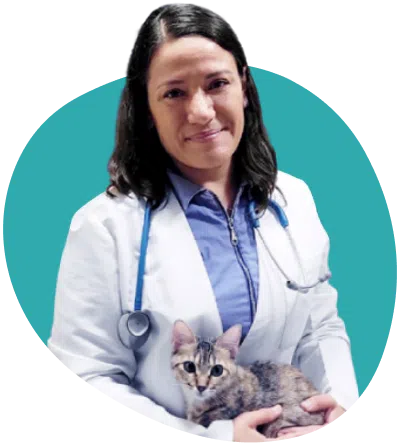
Veterinarian & Animal Behaviorist
With nearly two decades in veterinary medicine, Dr. Paola brings hands-on experience across multiple species. A graduate of the University of Guadalajara, she specializes in preventive care, animal welfare, and positive reinforcement training.
The Question
“Hi Dr. Paola,
JR is a 7 and ¾ year-old British Short hair Tuxedo cat. JR just developed dandruff. I brush her daily. JR is fed Blue Buffalo Tastefuls and Sheba cuts daily. What can you suggest? “- Bobbi
Quick Info about JR
📹 Vet's Video Reply (scroll down to see text answer)
Hi Bobbi,
Dandruff in cats, which veterinarians call seborrhea sicca, often appears when the skin barrier becomes a little dry or the normal turnover of skin cells speeds up. In many otherwise healthy cats around JR’s age, the most common causes are mild dehydration, reduced grooming efficiency, seasonal dryness in the home, or early weight gain that makes it harder to reach the lower back. The flakes often show up over the rump or near the base of the tail because that area is the hardest for a cat to groom. Since you already brush her daily, you are helping remove loose scales and stimulating the skin to stay healthy.
From a nutrition standpoint, the skin behaves like a brick wall, where fatty acids act as the mortar that keeps everything sealed and hydrated. Diets that provide adequate omega-3 fatty acids, particularly EPA and DHA from marine sources, can support that barrier and often improve mild dandruff over several weeks. Adding a small amount of a veterinary fish oil supplement designed for cats may help, provided JR has no history of pancreatitis or weight concerns. Ensuring good hydration also matters for skin health, so continuing wet food such as Sheba and encouraging water intake can be beneficial. Environmental humidity can play a role as well, and a humidifier sometimes reduces dry skin in indoor cats.
If the dandruff is heavy, greasy, associated with hair thinning, itching, weight change, or reduced grooming, it is worth having JR examined because dandruff can occasionally accompany conditions such as obesity, arthritis that limits grooming, external parasites like Cheyletiella mites, or underlying endocrine disease. If JR otherwise seems comfortable and the flakes are mild, a veterinary teletriage service like ours at PangoVet can help you determine whether simple home adjustments are reasonable or if a hands-on exam should be scheduled. Early evaluation helps ensure that what looks like a small skin change is not the first sign of something deeper affecting her overall health.
Regards,
– Dr. Paola