
I Need Help for My Senior Cats Diet! (Vet Answered)

This question has been answered by a vet
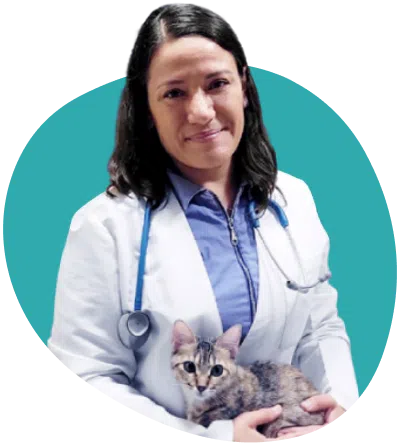
Veterinarian & Animal Behaviorist
With nearly two decades in veterinary medicine, Dr. Paola brings hands-on experience across multiple species. A graduate of the University of Guadalajara, she specializes in preventive care, animal welfare, and positive reinforcement training.
The Question
“Dear Dr. Paola
What would you recommend that I feed my wonderful 16-year-old male cat (part Maine Coon, part whatever), Shaka-Zulu? He continues to be in good health: climbs the stairs, jumps on furniture, etc., without difficulty, and is very affectionate and intelligent. He also communicates effectively with his humans.
I’d like to feed him the healthiest senior cat food available!“ – Priscilla
Quick Info about Shaka-Zulu
Dear Priscilla,
Shaka-Zulu sounds like a truly special cat, and it’s heartwarming to hear that he’s thriving at 16. Supporting his continued well-being through diet is a wise and loving choice, especially as nutritional needs can shift subtly with age, even in cats who appear outwardly healthy.
One important clarification is that the Association of American Feed Control Officials (AAFCO) does not currently recognize a specific “senior” life stage for cats. Pet foods are formulated to meet either “adult maintenance” or “all life stages,” but there are no official nutrient profiles tailored to senior cats. This means that products marketed as “senior” vary widely in formulation, and the term itself is not regulated. Some of these diets reduce calories or phosphorus, while others include added supplements like antioxidants or Omega-3. The only way to know whether they meet a senior cat’s needs is to review their up-to-date medical information and match it with the food’s complete nutritional profile and ingredient quality.
Keep in mind that once cats reach their golden years, the recommendation is to have at least two veterinary visits per year to ensure any developing health issue is detected as soon as possible. Cats are great at masking any signs of disease, and especially in older cats, subtle internal changes can occur in organs like the kidneys, thyroid, or heart well before any noticeable signs develop. Therefore, we rely on diagnostic tests to detect them as soon as possible. Once you have that information, you can focus on choosing a food that best supports Shaka-Zulu’s specific needs.
I hope this helps!
– Dr. Paola