
Help! My Cats Are Fart Machines! (Vet Answered)

This question has been answered by a vet
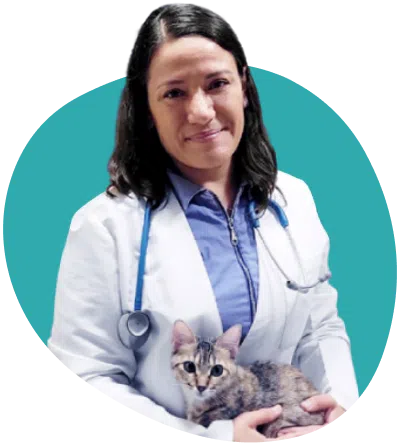
Veterinarian & Animal Behaviorist
With nearly two decades in veterinary medicine, Dr. Paola brings hands-on experience across multiple species. A graduate of the University of Guadalajara, she specializes in preventive care, animal welfare, and positive reinforcement training.
The Question
“Dear Dr. Paola,
I have two 5-month-old kittens, Tux and Max, from the SPCA. They eat Purina pro plan kitten food wet 2 times a day in addition to their dry food. Are they supposed to be little raging fart machines? I pick one up and WAM, it’s so foul I have to cover my nose. Is this normal? Thank you.” – Mary
Quick Info about Tux and Max
📹 Vet's Video Reply (scroll down to see text answer)
Hi Mary! It’s not uncommon for kittens to experience occasional gas, however persistent foul-smelling flatulence isn’t considered normal. There are several possible reasons for this. Dietary factors are often the primary cause. Highly processed foods may contain ingredients that some kittens find harder to digest, such as certain proteins, fillers, or additives. Swallowing air while eating, especially if they’re enthusiastic eaters, can also contribute to the problem. Additionally, kittens recently adopted from shelters may have an imbalance in their gut flora or could still be harboring intestinal parasites, even if they were treated for worms.
I recommend starting with a closer look at their diet. Transitioning to a species-appropriate, less processed food with fewer additives might help improve their digestion and reduce gas. You want to stay away from foods with “Meat By-Products” in the ingredient list as you can never know what they contain. Adding a high-quality, veterinary-recommended probiotic can support them in building a healthy gut microbiome. It’s also a good idea to confirm with your veterinarian that Tux and Max are free from intestinal parasites, as these can often cause gastrointestinal upset, including gas. If the issue persists or is accompanied by diarrhea, vomiting, or weight changes, a vet visit would be essential to rule out other underlying concerns.
Sincerely,
Dr. Paola