Help! My Cat Pulls Their Fur Out When Cleaning Themself! (Vet Answered)

This question has been answered by a vet
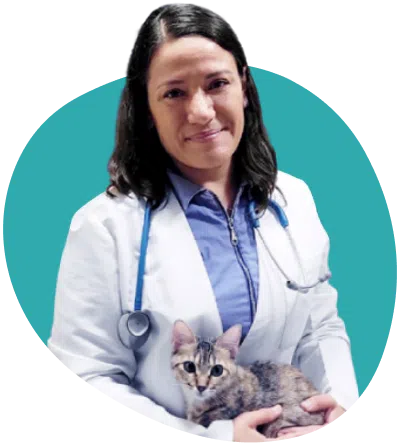
Veterinarian & Animal Behaviorist
With nearly two decades in veterinary medicine, Dr. Paola brings hands-on experience across multiple species. A graduate of the University of Guadalajara, she specializes in preventive care, animal welfare, and positive reinforcement training.
The Question
“Dear Dr. Paola,
When Mr T cleans himself, he pulls his fur out. He has several bald spots. How can I help him?” – Mary
Quick Info about Mr T
Hi Mary,
When a cat like Mr. T is grooming to the point of creating bald spots, we are likely dealing with a condition called overgrooming (or more technically, psychogenic alopecia), if no medical cause is found. However, before we consider a behavioral origin, it’s essential to rule out medical conditions. Common causes include external parasites like fleas or mites, skin allergies, fungal infections such as ringworm, or pain in a specific area. Sometimes, cats will lick over a joint that is arthritic or a spot that is uncomfortable, similar to how we might rub a sore muscle.
If you’ve already ruled out parasites and infections with your vet, then this behavior may have become a way for Mr. T to self-soothe. Overgrooming due to stress is not unlike a person biting their nails. Triggers might include changes in the environment, boredom, anxiety, or even conflict with another pet. Identifying the cause and helping him feel secure is key. Providing structured play, vertical spaces, predictable routines, and possibly even a pheromone diffuser can help. Still, because bald spots mean the behavior is already affecting his skin health, I recommend a veterinary evaluation to ensure there’s no underlying discomfort. If taking him to the vet is complicated, consider calling us at PangoVet. We can help you assess whether a full in-clinic visit is needed or if you can try environmental and behavioral management first.
Sincerely,
– Dr. Paola