
Help! My Cat Keeps Sneezing! (Vet Answered)

This question has been answered by a vet
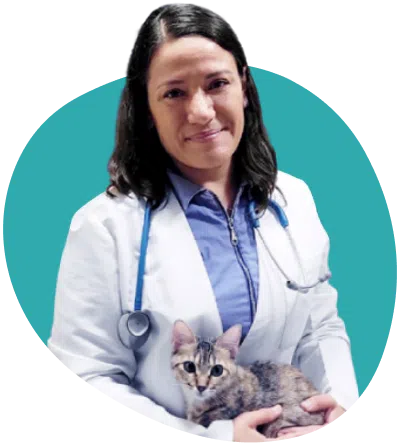
Veterinarian & Animal Behaviorist
With nearly two decades in veterinary medicine, Dr. Paola brings hands-on experience across multiple species. A graduate of the University of Guadalajara, she specializes in preventive care, animal welfare, and positive reinforcement training.
The Question
“Dear Dr. Paola,
I adopted Maggie (a Lynx Point Siamese) from a shelter. She was listed as a stray, 4 to 6 years old. She’s a lovely cat, but this summer (my first summer with her), she has started sneezing. Mostly 1 sneeze at a time, but others up to 4 to 5 times in a row. She has clear eye discharge, so I took her to a vet who never told me what was wrong but gave her a steroid injection. For 2 to 3 days, Maggie was out of it. She didn’t eat or drink much and slept all the time. All quite unusual for her. I called the vet, and their response was “she is mad because you brought her to the vet.”
I don’t think that’s it. Her sneezing stopped, and her eye discharge disappeared. It has been about 8 weeks since the injection, and the sneezing is starting up again. Do you have any suggestions of what I should have her checked for? ” – Bev
Quick Info about Maggie
Hi Bev,
Thank you for giving Maggie such a loving home. From what you describe, her sneezing with clear eye discharge is most often associated with feline upper respiratory infections, usually viral in nature. Cats that have been in shelters are commonly exposed to herpesvirus or calicivirus, and these can cause recurrent flare-ups, especially during times of stress or seasonal change. Environmental irritants such as dust or pollen can also play a role, but the recurring pattern you notice makes a viral cause more likely.
What really stands out is Maggie’s reaction after the steroid injection. Steroids are sometimes used to decrease inflammation, but they can also suppress the immune system. In a cat carrying a respiratory virus, that can actually make recovery harder. Typical short-term side effects include increased thirst or appetite, but going off food and water for two to three days is not a common or expected response. This suggests the medication did not agree with her and is important to note for future care, as other treatment options may be safer for her.
Since her sneezing has returned, I recommend a thorough examination. A veterinarian can assess her nasal passages, eyes, and oral cavity, and may run tests such as a respiratory PCR panel to confirm if she is a carrier of herpesvirus or calicivirus. Monitoring her appetite and energy closely will also help you know when intervention is urgent. If she ever stops eating again or develops colored discharge, she should be seen promptly. It may be a good idea to find a new veterinarian that you feel comfortable with, as well. Please provide them with all of Maggie’s previous health history to ensure she gets the safest treatment.
I hope this helps!
Dr. Paola