
Help! My Cat is Dependant on Treats! (Vet Answered)

This question has been answered by a vet
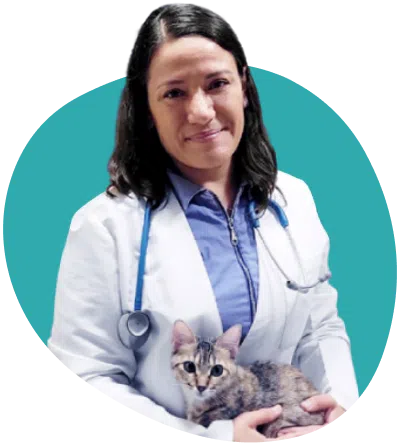
Veterinarian & Animal Behaviorist
With nearly two decades in veterinary medicine, Dr. Paola brings hands-on experience across multiple species. A graduate of the University of Guadalajara, she specializes in preventive care, animal welfare, and positive reinforcement training.
The Question
“My cat Teddy is a 3-year-old female tabby who depends on treats on top of her food for breakfast and dinner (she’s fed 2x/day). I give her wet food also, but she has become dependent on her treats as a major part of her meals. I know some cat behaviorists have said that you should use treats as a form of currency and reward. How do I get Teddy to stop relying on her treats and start eating regular kibble? I tried it today, and she was sooo angry. She really hates her kibble, and I don’t know how to help her with this transition into eating only kibble and wet food. ” – Molly
Quick Info about Teddy
Hey Molly,
I can picture Teddy giving you that very clear feline opinion about breakfast. It sounds like she has simply learned that treats are part of the meal routine. Many commercial treats are highly palatable because they are energy-dense and often coated with flavor enhancers, so from her perspective, it can feel like expecting dessert before dinner. When treats make up a meaningful portion of daily calories, the overall diet can become unbalanced over time, so your instinct to recalibrate is absolutely appropriate. I am not sure what type of treats she is receiving or how they are being offered, and those details can influence how we structure a smooth transition.
The safest and most successful approach is gradual change. Estimate how much of her daily intake comes from treats and begin reducing that amount slowly over one to two weeks. If they are placed on top, mixing a smaller portion into her regular food and tapering every few days can help reset her taste expectations. At the same time, make sure her wet and kibble portions together meet her caloric needs so she is not truly hungry. If she clearly prefers canned food, it is perfectly acceptable to lean more heavily on a complete and balanced wet diet, since hydration and satiety are often better supported that way. Avoid abrupt removal, as cats that stop eating for more than twenty-four hours are at risk for hepatic lipidosis. Think of this process like slowly reducing the sugar in your coffee over time. At first, you notice the difference, but gradually your palate adjusts.
If you would like a tailored plan based on Teddy’s current treats, calorie intake, and preferences, you are welcome to book a consultation with me or one of our veterinarians at Pangovet. We can help design an individualized transition strategy that keeps her nutrition balanced while respecting her strong opinions about breakfast.
Kind regards,
– Dr. Paola