
Help! My Cat is a Drama Queen! (Vet Answered)

This question has been answered by a vet
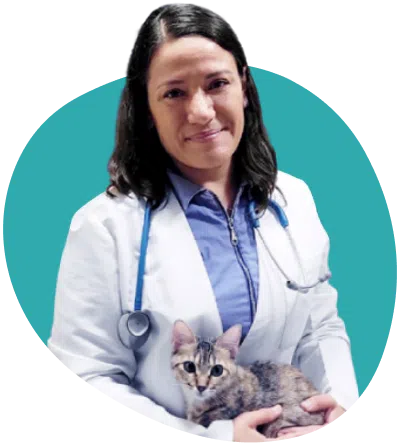
Veterinarian & Animal Behaviorist
With nearly two decades in veterinary medicine, Dr. Paola brings hands-on experience across multiple species. A graduate of the University of Guadalajara, she specializes in preventive care, animal welfare, and positive reinforcement training.
The Question
“Every time I walk in the front door, my cat Teega greets me with dramatic meows like I’ve been gone for years—even if I was only at the mailbox. Is she really that needy, or could something else be going on?” – Sara
Quick Info about Teega
📹 Vet's Video Reply (scroll down to see text answer)
Hi Sara,
Did you know that cats only meow to their mothers when they are kittens? As adults, they stop meowing at other cats and reserve this behavior exclusively for humans. Cats learn as kittens that meowing gets them attention, food, warmth, and other comforts from their mothers. When they grow up, they transfer this behavior to their humans to fulfill similar needs—attention, food, playtime, or cuddles.
As dramatic as it might seem, Teega’s meowing when you come home is her way of greeting you with a “Welcome home!” and signaling that she’s ready to engage. Teega is likely hoping for the usual attention, cuddles, or maybe even food that you provide. If this was a case of separation anxiety you would notice other signs, so it is important to be familiar with them. If Teggas behavior has suddenly changed, this could also be an indication that something is going on. But if this meowing is only a greeting it can easily be addressed: you can train Teega to stop by ignoring her every time she does it. Simply walk by without reacting and only give her attention once she stops meowing. Be patient—this will take time and consistency. If there are other people in the household, they need to follow the same approach to ensure success. Consistency is key when trying to modify behavior.
Sincerely,
Dr. Paola