
Help! My Cat Gets Hairballs! (Vet Answered)

This question has been answered by a vet
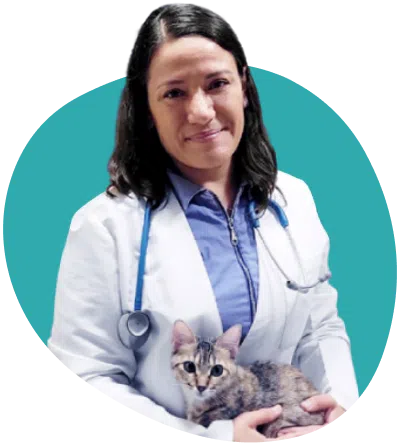
Veterinarian & Animal Behaviorist
With nearly two decades in veterinary medicine, Dr. Paola brings hands-on experience across multiple species. A graduate of the University of Guadalajara, she specializes in preventive care, animal welfare, and positive reinforcement training.
The Question
“I have read that cats shouldn’t get hairballs, but it is often a stereotype I hear about cats, that they get hairballs. Why is this? And why do so many cats get them if they shouldn’t? My cat Kaley gets them every so often and I’m feeling a bit guilty when I read this is not normal” – Chris (Dad to Kaley)
Quick Info about Kaley
Chris, please don’t feel guilty—just the fact that you’ve noticed Kaley’s hairball issue and are willing to address it shows how much you care for her, which is truly admirable. While it’s a common misconception that hairballs are normal for cats, they’re not something that should occur regularly. Cats naturally ingest hair while grooming, but their digestive systems are designed to pass it through their stool. Hairballs happen when excess hair accumulates in the stomach and can’t be expelled, often due to a diet lacking in moisture or fiber, excessive grooming, or even underlying issues like gastrointestinal motility problems. There are a few things you can try. The first and most helpful step for Kaley is to ensure she’s on a high-moisture diet, such as high-quality wet or fresh cat food, as this supports digestion and helps hair move smoothly through her system. You should also consider a water fountain. Regular brushing to remove loose fur and monitoring for stress or potential skin conditions that might cause over-grooming can also make a big difference. If hairballs become frequent or you notice other signs like vomiting, changes in appetite, or lethargy, consulting your veterinarian is the best way to rule out underlying causes and create a management plan tailored for her. You’re already doing so much just by being proactive—Kaley is lucky to have you!
Kind regards,
Dr. Paola