
Help! Do Dental Chews Help Clean Teeth? (Vet Answered)

This question has been answered by a vet
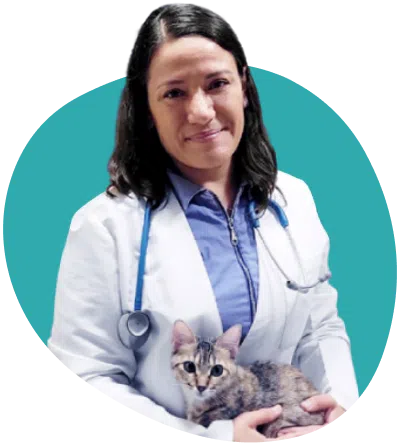
Veterinarian & Animal Behaviorist
With nearly two decades in veterinary medicine, Dr. Paola brings hands-on experience across multiple species. A graduate of the University of Guadalajara, she specializes in preventive care, animal welfare, and positive reinforcement training.
The Question
“Hi Dr. Paola,
Do you recommend cat chews to keep their teeth clean? I have seen chews of silverdine sticks, and not sure if they are safe for my 3-month-old Maine coon, Sasha.” – Beth
Quick Info about Sasha
Hi Beth
This is a great question, especially with a young Maine Coon, because kitten teeth and growing jaws are a bit like baby teeth in children; they need gentle care while everything is developing. For a 3-month-old kitten, dental chews and sticks are generally not necessary and often not recommended. At this age, Sasha still has her baby teeth, which will begin changing between 4 and 6 months. Many commercial chews, including silvervine sticks, can be too hard for delicate deciduous teeth and may increase the risk of tooth fracture or gum irritation if she chews aggressively.
Silvervine itself is safe and non-toxic for cats, and it works as a natural enrichment similar to catnip. Most kittens do not respond when they are very young because sensitivity develops with neurological maturity. Around 3 to 6 months, some kittens start to show a response, and full sensitivity may not appear until 6 months or older, just like catnip.
At this age, Sasha is at the ideal stage to begin gentle toothbrush training, using a feline toothpaste and introducing the routine slowly with positive reinforcement so it becomes a normal and stress-free part of her care. For now, focus on a complete kitten diet and safe, softer toys designed for young cats rather than hard dental products. If you notice red gums, bad breath, or reluctance to eat, or if you would like help choosing appropriate dental options during teething, at PangoVet, we can help guide your next steps and create a personalized plan for Sasha. Starting these habits early will help support her oral health as she grows into adulthood. I hope this helps,
– Dr. Paola